Balloons: A Designer's Review for Branded Merch
As an embroidery designer who spends most of my days digitizing logos and troubleshooting stitch-outs for local businesses, I approach every new machine embroidery design with a critical eye. It is not just about whether a pattern looks pretty on a screen; it is about how it performs on a curved cap, how it holds up after fifty industrial washes on a staff apron, and whether it elevates a brand's identity. Today, I am reviewing Balloons, a design positioned within the Valentine S Day category but holding potential far beyond seasonal romance. For small business owners, Etsy sellers, and apparel decorators, understanding the practical application of such assets is crucial for creating high-quality small business merch.
First Impressions and Visual Personality
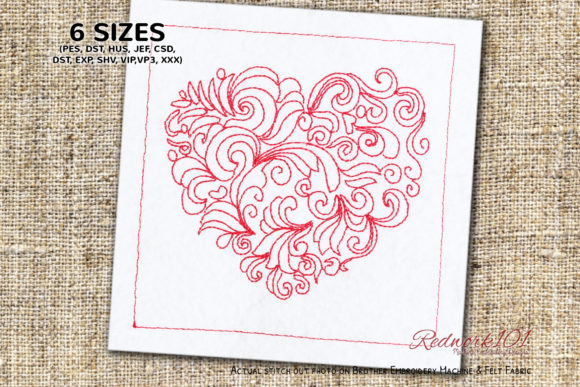
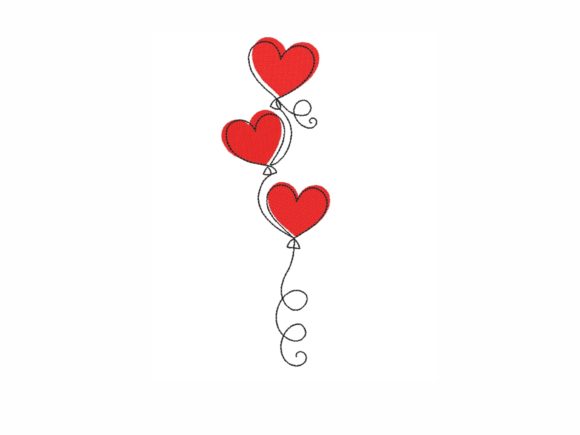
Upon initial inspection, Balloons presents itself as a charming and approachable asset. The description highlights a "lovely heart embroidery" intended to create cute and romantic designs. From a branding perspective, this suggests a visual personality that is friendly, playful, and slightly whimsical. For a boutique bakery, a florist, or a creative studio looking to soften their corporate image, this aesthetic is invaluable. It lacks the rigid severity of a traditional corporate logo, offering instead a handmade feel that resonates well with consumers seeking authenticity.
However, for commercial embroidery projects, "cute" must also mean "durable." The design promises versatility, noting it comes with multiple embroidery file formats. This is a strong starting point, as compatibility with various machine brands is non-negotiable for professional shops. The core motif—a heart associated with balloons—implies floating shapes and potentially rounded fills. In a business context, these shapes need to be robust enough to read clearly from a distance, whether on a storefront banner or a chest pocket.
Real-World Applications for Small Businesses
The true test of any digital embroidery file is its adaptability across different substrates. Balloons shines when applied to specific custom apparel and accessory scenarios. Imagine a local coffee shop launching a limited-edition spring collection. This design would work exceptionally well as an embroidered patch sewn onto canvas tote bags. The organic nature of the balloon and heart motif complements the texture of cotton canvas, adding a tactile element that enhances the perceived value of the finished product.
For service-based businesses, such as pet groomers or childcare centers, staff uniforms often need to strike a balance between professional and welcoming. Applying Balloons as a sleeve detail or a subtle accent on a collar can break up the monotony of standard work shirts without compromising professionalism. It serves as a conversation starter, reinforcing a brand identity centered on care and joy. Furthermore, for handmade brands selling on platforms like Etsy, using this design on product packaging accents or as a branded label on clothing tags can significantly boost buyer engagement. It transforms a simple transaction into a memorable unboxing experience.
The mention of Valentine S Day in the categorization suggests immediate seasonal utility. Florists and chocolatiers can leverage this for February promotions, creating exclusive cap embroidery or limited-run aprons for staff. However, because the motif is fundamentally about hearts and celebration, it transcends a single holiday, making it a year-round asset for birthday parties, anniversaries, or general "love your brand" campaigns.
Technical Considerations and Placement Strategy
While the aesthetic appeal is clear, a professional review must address technical limitations. When deploying Balloons on challenging surfaces, caution is required. For instance, cap embroidery involves stitching on a curved, structured surface. If the design has high stitch density or large solid fills, it may cause puckering or distortion on the front panel of a baseball cap. It is essential to verify the stitch count and density before committing to a large production run.
Similarly, when using this design for tiny embroidered patch applications, such as a small logo on a polo shirt pocket, fine details might get lost. Rounded shapes like balloons can sometimes blur if the resolution of the digitizing is not optimized for small hoop size constraints. Designers should inspect the spacing between elements; if the heart and balloon elements are too close, they may merge during stitching, especially on textured fabrics like fleece or terry cloth.
Color contrast is another critical factor. On dark uniforms, the thread colors chosen for Balloons must pop. A pastel palette might look beautiful on white tote bags but could vanish against a navy blue work shirt. Before production, I always recommend running a test stitch-out in black and white or grayscale. This helps identify if the design relies too heavily on color shifts for definition rather than structural stitching. Additionally, the choice of stabilizer is paramount. For stretchy fabrics used in apron embroidery or fitted tees, a cut-away stabilizer is often necessary to prevent the design from warping over time.
Impact on Brand Identity and Customer Trust
In the crowded marketplace of small business, consistency is key. Integrating Balloons into a broader suite of design assets requires careful consideration. Does this playful icon match the typography and color scheme of the main logo? If used correctly, it humanizes the brand. Customers tend to trust businesses that display warmth and personality. A well-executed embroidered detail signals that a business cares about quality and presentation.
For product designers creating printable mockup files for clients, this design adds immediate visual interest. It allows clients to visualize how their brand could look on physical goods before investing in inventory. When a customer sees a high-quality embroidered heart-balloon motif on a sample product, it increases the perceived value, justifying a higher price point for handmade product lines. It bridges the gap between digital concepts and tangible reality.
Professional Designer Notes and Best Practices
To ensure success with Balloons, I recommend the following workflow for fellow decorators and business owners:
- Verify Licensing: The description states the file "can be used," but always confirm the specific commercial licensing terms before selling merchandise featuring this design.
- Test on Real Fabric: Do not rely solely on screen simulations. Stitch the design on the actual fabric weight you intend to use to check for pull or distortion.
- Check File Formats: Ensure the provided embroidery file formats match your specific machine software to avoid conversion errors that could alter stitch paths.
- Evaluate Scale: Test the design at its smallest intended size. If details disappear, consider simplifying the underlay or enlarging the placement area.
- Thread Selection: Choose high-sheen rayon or durable polyester threads depending on the end-use. For items requiring frequent washing, polyester is often the superior choice for colorfastness.
- Client Approval: Always create a physical sample or a high-fidelity mockup for client approval, highlighting how the design interacts with the specific garment texture.
In conclusion, Balloons offers a versatile and emotionally resonant option for small business merchandise. While it fits perfectly within the Valentine S Day niche, its application extends to any brand wishing to project friendliness and creativity. By paying attention to technical details like stitch density, fabric compatibility, and proper stabilization, embroidery professionals can turn this lovely heart design into a powerful tool for brand storytelling and customer connection.