Half Way to First: A Pro Review for Branded Merch
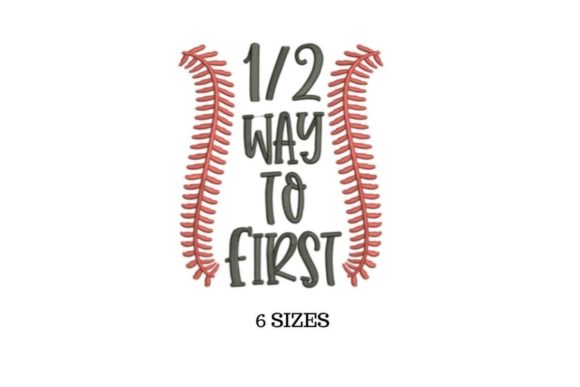
As an embroidery designer who spends more time staring at stitch simulations than actual fabric, I approach every new machine embroidery design with a critical eye. It is not just about whether it looks cute on a screen; it is about how it performs when stitched out on a client's product. Today, I am reviewing Half Way to First, a baseball-themed piece celebrating a baby's first six months. While this falls under the Birthdays category, my focus is strictly on its viability for small business merchandise, branded patches, and commercial applications.
First Impressions: Visual Personality and Brand Fit
Upon loading the preview of Half Way to First, the immediate impression is one of playful warmth. The combination of a baseball motif with a milestone quote creates a narrative that feels both sporty and sentimental. For a boutique or a handmade brand, this aesthetic strikes a balance between modern and classic. It does not scream "corporate," but it possesses enough structure to feel professional rather than amateurish.
The design leans heavily into a friendly, celebratory vibe. For businesses in the family-oriented sector—such as baby boutiques, photography studios, or even local bakeries offering gift sets—this visual personality is gold. It suggests a brand that cares about life's little moments. However, for a rugged outdoor gear shop or a high-end luxury fashion label, the playful nature might clash with their established brand identity. Context is everything when selecting design assets for commercial use.
Real-World Application in Small Business Merch
Let's move beyond theory and discuss where Half Way to First actually works in a commercial setting. The versatility of this digital embroidery file shines when applied to specific products.
- Embroidered Patches: This is arguably the strongest use case. Creating a limited-run patch for a "Half Way to First" baby shower gift set or as a collectible for a local little league team adds immense perceived value. Patches allow for dense stitching without worrying about garment distortion.
- Apron Embroidery: For a bakery or a crafting studio hosting family events, stitching this onto the chest of a staff apron creates an instant conversation starter. It humanizes the staff and connects with customers who are parents.
- Tote Bag Design: Canvas tote bags are staples for small business merch. Placing this design on a natural canvas bag creates a charming keepsake for new parents. The texture of the canvas usually supports medium-density stitches well.
- Cap Embroidery: A structured baseball cap is the obvious choice given the theme. However, this requires careful placement. The curved surface of a cap front can distort text if the design is too wide.
- Custom Apparel: Think of onesies or toddler t-shirts. Here, the design serves as a central graphic. For adult apparel, it works best as a pocket accent on a work shirt for a family-owned business celebrating their own milestones.
Technical Considerations and Production Risks
Every designer knows that a pretty preview does not guarantee a perfect finished product. There are specific areas where Half Way to First demands caution. The description mentions a "birthday quote," which implies lettering. In the world of commercial embroidery, tiny lettering is the enemy of durability and readability.
If you intend to scale this down for a small patch or a sleeve detail, you must inspect the spacing of the text. If the letters are too close together, thread buildup (or stitch density) can cause them to merge into an illegible blob after washing. Furthermore, if the design features fine outlines, these may break up on textured fabrics like pique polo shirts or heavy fleece.
Dark uniforms present another challenge. If the thread colors in the file do not have sufficient contrast against navy or black fabric, the design will vanish. You may need to manually adjust the color sequence in your embroidery software to include an underlay or a border that pops against dark backgrounds. Always remember that what looks vibrant on a white digital background can look muddy on a heather grey sweatshirt.
Impact on Customer Trust and Product Value
Why does the quality of this specific design matter for your bottom line? Because consistent, high-quality embroidery signals professionalism. When a customer receives a tote bag or a patch with crisp edges and legible text, their trust in your brand increases. Conversely, a design that puckers the fabric or has thread breaks suggests a lack of attention to detail.
Using Half Way to First effectively can elevate a simple gift into a cherished heirloom. It enhances handmade product presentation, making your offerings feel curated and thoughtful. In the competitive landscape of Etsy sellers and craft businesses, visual consistency across your product line is key to buyer engagement. If this design matches your existing aesthetic, it reinforces your brand story.
Practical Notes from the Hoop
Before you commit to running a production batch, here is my checklist for testing this design:
- Test in Black and White: Convert the design to monochrome in your software. This reveals the true structure of the stitches without the distraction of color. If it looks good in one color, it will look great in many.
- Check Small Patch Viability: Stitch a sample at the smallest size you intend to sell. Can you still read the quote? If not, you may need to remove the text element for smaller applications.
- Review Thread Contrast: Ensure the transition between the baseball element and the text is distinct. Poor contrast kills readability.
- Confirm Hoop Size: The product description does not specify the exact dimensions. You must verify the required hoop size before purchasing to ensure it fits your machine's capabilities, especially for cap frames.
- Fabric and Stabilizer Testing: Always test on the actual fabric you plan to use. A knit jersey behaves differently than a woven twill. Use the appropriate stabilizer to prevent puckering, especially since baby items will be washed frequently.
- Create a Printable Mockup: Before stitching, generate a printable mockup to show clients. This manages expectations and secures approval before thread hits fabric.
- Verify Licensing: Crucially, confirm the commercial licensing terms. Just because a file is available for purchase does not automatically grant rights for unlimited commercial production. Ensure you are cleared for small business merch use.
In conclusion, Half Way to First offers a charming opportunity for businesses targeting the family and celebration market. It is not just a decoration; it is a tool for storytelling. However, its success relies entirely on your execution. By respecting the limitations of embroidery technology and understanding the nuances of fabric and thread, you can transform this digital file into a tangible asset that drives sales and builds brand loyalty. Treat it with the technical rigor it requires, and it will serve your business well.