An Old Truck: A Designer's Review for Branded Merch
As an embroidery designer who spends most of my days digitizing logos and testing files for small business clients, I approach every new machine embroidery design with a critical eye. It is not just about whether the art looks cute on a screen; it is about how that digital embroidery file translates into a tangible asset that builds brand identity. Recently, I reviewed a design titled An Old Truck, categorized under Transportation. While the product description markets it as perfect for farmhouse decorations and home decor, my focus was strictly on its viability for commercial applications. Could this rustic motif serve as a legitimate badge for a boutique, a café, or a handmade brand? Here is my professional assessment of using An Old Truck for small business merchandise.
First Impressions: Rustic Charm Meets Commercial Potential
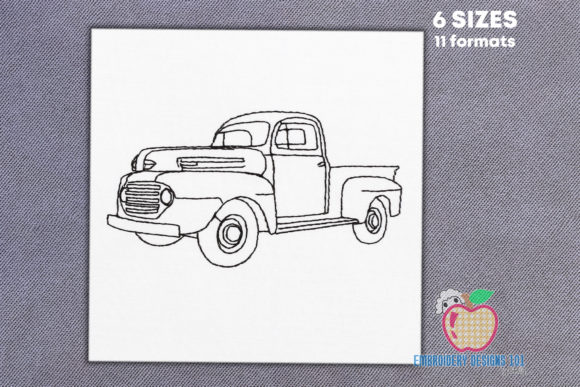
The immediate visual impact of An Old Truck is one of warmth and nostalgia. The description highlights that it is "cool and simple," which in the world of embroidery often translates to clean lines and manageable stitch counts. For a business owner, "simple" is a double-edged sword. On one hand, it suggests the design will stitch out quickly, reducing machine time and thread costs. On the other hand, simplicity must not sacrifice detail to the point where the brand looks amateurish.
This design feels inherently friendly and classic. It evokes a sense of reliability and tradition, qualities that are invaluable for local businesses like bakeries, florists, or creative studios. Unlike modern, abstract logos that can feel cold, a vintage truck motif suggests a hands-on, human approach to commerce. However, because it leans heavily into the "farmhouse" aesthetic, it requires careful placement. It works best for brands that want to project an organic, artisanal, or community-focused image rather than a high-tech or corporate vibe.
Real-World Business Applications
When evaluating An Old Truck for real business use, the possibilities extend far beyond hanging it on a wall. Here is how I see this design functioning across various commercial touchpoints:
- Embroidered Patches: This is arguably the strongest use case. A woven or embroidered patch featuring this truck could be sewn onto canvas tote bags, denim jackets, or aprons. Patches allow for high perceived value; customers love collecting them, and they turn a standard uniform into a statement piece.
- Staff Uniforms and Aprons: For a coffee shop or a plant nursery, placing this design on the chest of a work shirt or the bib of an apron embroidery project adds instant character. It breaks up the monotony of solid-colored uniforms and gives staff a sense of belonging to a specific "crew."
- Cap Embroidery: The front panel of a baseball cap is prime real estate. If the scaling is correct, An Old Truck makes for an excellent cap embroidery element. It serves as a mobile billboard for the brand when worn by employees or sold as retail merchandise.
- Tote Bag Design: Canvas totes are staples for boutiques and markets. Using this design as a central tote bag design element creates a reusable shopping bag that customers actually want to carry, extending brand visibility beyond the store.
- Product Packaging Accents: Small businesses often ship goods in fabric drawstring bags or include branded cloth tags. This design can be scaled down to act as a subtle seal of quality on packaging, reinforcing the idea of a handmade product.
Technical Considerations for Production
While the aesthetic is promising, a professional review must address the technical realities of commercial embroidery. The description notes that the design "will stitch out nicely," but "nicely" is subjective. Before running a production batch, there are several critical factors to test.
First, consider the stitch density. Vintage-style designs sometimes rely on heavy fill stitches to create a retro look. If the density is too high, the design may become stiff and prone to puckering, especially on lightweight fabrics like poly-cotton blends used for uniforms. Conversely, if the density is too low, the fabric might show through, ruining the finish on dark garments.
Second, pay close attention to the hoop size requirements. The product details do not specify the exact dimensions, so you must verify this before purchasing. If the design requires a large hoop, it limits where you can place it on smaller items like caps or pocket logos. Always confirm the maximum stitch area compatible with your machines.
Third, think about thread colors. A truck design often involves multiple shades to depict rust, metal, and perhaps foliage. In a business setting, consistency is key. Ensure that the thread chart provided with the embroidery file matches your brand's specific color palette. You may need to customize the file to swap a generic red for your brand's specific hex-code match.
Where to Use Caution
Not every surface is suitable for An Old Truck. Be cautious when applying this design to highly textured fabrics, such as thick wool sweaters or coarse burlap, unless you have tested the underlay settings. The "simple" nature of the design means fine details could get lost in the texture of the material.
Additionally, avoid using this on items that require frequent, industrial washing unless you are confident in the stitch integrity. High-friction areas, like the elbows of work shirts or the bottom of tote bags, might see premature wear if the satin columns are not dense enough. Also, be wary of scaling the design down too small for tiny labels; intricate parts of the truck, such as wheel spokes or window details, may merge together if the size is reduced below a certain threshold.
Impact on Brand Identity and Customer Trust
In the crowded marketplace of Etsy sellers and local boutiques, visual consistency drives trust. Using a cohesive design element like An Old Truck across your design assets helps cement your brand identity. When a customer sees the same truck logo on your website, your packaging, and your staff's apron, it signals professionalism and attention to detail.
This specific design fosters an emotional connection. It suggests that the business values tradition, hard work, and perhaps a slower, more deliberate pace of life. For a handmade brand, this alignment between the visual aesthetic and the product philosophy can significantly boost buyer engagement. It transforms a transaction into an experience, making the finished product feel more special and less mass-produced.
Practical Notes for the Embroidery Designer
Before committing to a large run of custom apparel or merchandise featuring An Old Truck, follow these practical steps to ensure success:
- Test in Black and White: Stitch a sample using only black thread on white fabric (and vice versa). This reveals the true structure of the design without the distraction of color, helping you spot potential gaps or overlapping stitches.
- Check Small Patch Viability: Create a prototype patch at the smallest intended size. Verify that the details remain distinct and that the border does not fray.
- Review Stabilizer Needs: Depending on the fabric texture, you may need a cut-away stabilizer for stretchy materials or a tear-away for stable wovens. Do not guess; test different weights to prevent puckering.
- Create a Printable Mockup: Before stitching, generate a printable mockup to show clients or stakeholders. This saves time and money if adjustments are needed.
- Verify Licensing: Crucially, confirm the commercial licensing terms. Just because a file is available for purchase does not automatically grant the right to use it for unlimited commercial resale or branding. Ensure the license covers your specific business model.
In conclusion, An Old Truck holds significant promise for small business owners looking to add a touch of rustic elegance to their merchandise. With proper testing regarding stitch density, fabric compatibility, and scaling, it can evolve from a simple decorative file into a powerful tool for brand storytelling. Whether used on a barista's apron or a shopper's tote, this design has the potential to stitch together a strong, memorable brand presence.