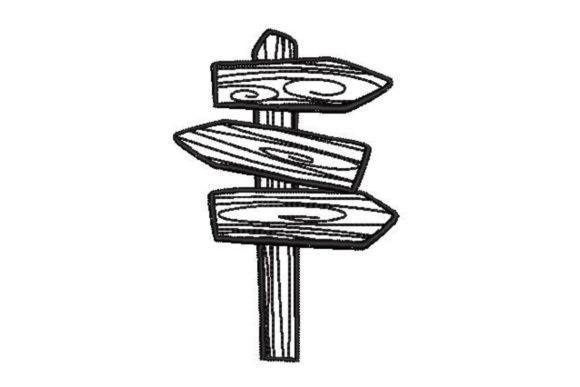
Review: Handdrawn Arrow Pointer for Boutique Sweatshirts
As an embroidery designer who spends most of my days digitizing logos and testing stitches on various fabric weights, I am always on the lookout for design assets that bridge the gap between rustic charm and modern minimalism. Recently, I evaluated the Handdrawn Outline of an Arrow Direction Pointer for an upcoming limited drop of premium sweatshirts for a small boutique brand. In the world of custom apparel, the difference between a item that sells out in hours and one that gathers dust often comes down to the subtlety of the graphic and the quality of the stitch-out.
First Impressions and Design Mood
Upon loading the machine embroidery design into my editing software, the first thing that struck me was its authentic "hand-drawn" personality. Unlike rigid, vector-perfect arrows that can feel cold or corporate, this piece carries a slight organic wobble that suggests it was sketched with a pencil before being digitized. This aligns perfectly with the product description, which promises a "classic countryside-style direction pointer." The mood is undeniably sweet and inviting, making it an ideal candidate for brands targeting a cozy, lifestyle-oriented audience.
The layout is simple yet effective. It functions as a directional cue without being overly aggressive. For a boutique brand looking to establish a identity that feels handmade and approachable, this design hits the mark. It avoids the trap of being too childish; instead, it leans into a sophisticated rustic aesthetic that works well for both men's and women's lines. The detail level is appropriate for an outline style, relying on the path of the needle to create definition rather than dense fill areas.
Visualizing the Stitch-Out on Apparel
The true test of any embroidery file is how it translates from the screen to the physical garment. I imagined this arrow on a range of neutral sweatshirts—oatmeal, charcoal, and sage green. On these muted tones, the outline nature of the arrow allows the fabric texture to peek through, creating a breathable, integrated look rather than a heavy patch sitting on top of the material. This is crucial for sweatshirt embroidery, where comfort and drape are paramount.
For darker fabrics, such as navy or black hoodies, the design demands high-contrast thread colors. A creamy off-white or a soft gold thread would make the hand-drawn lines pop, giving the piece a premium, custom feel. Conversely, on pastel colors, using a slightly darker shade of the base fabric color for the thread creates a tonal, subtle effect that appeals to customers who prefer understated branding. The design feels versatile enough to be bold when needed but equally capable of being minimal and decorative.
I also considered placement beyond the standard left-chest logo. Because the arrow implies movement and direction, it serves as a fantastic sleeve accent on an oversized hoodie. Running vertically down the forearm, it guides the eye and adds a dynamic element to the silhouette. For back designs, scaling the Handdrawn Outline of an Arrow Direction Pointer up could create a striking focal point, perhaps pointing towards a brand name or a seasonal message.
Technical Considerations for Production
From a technical standpoint, working with outline designs on thick garments requires careful attention to stitch density and stabilization. Since this is a line-based design, it is generally less prone to puckering than heavy fill designs, but the choice of stabilizer remains critical. For fleece-backed sweatshirts or heavy cotton blends, a cut-away stabilizer is often my go-to recommendation to ensure the stitches remain crisp after multiple washes. Tear-away stabilizers might leave behind residue or fail to support the long runs of an arrow shaft on stretchy knits.
One concern with any small-scale outline is readability. If you plan to use this as a tiny tag on a hem, you must verify the hoop size capabilities and the minimum stitch length in the digital file. While the product notes mention it comes with multiple formats, it does not specify exact dimensions or stitch counts. As a professional, I strongly advise checking these details in your specific software before committing to a large production run. Ensuring the design is strong enough for commercial embroidery means verifying that the connecting ties (jump stitches trimmed automatically by the machine) are sufficient to prevent thread breaks during high-speed stitching.
Fabric thickness is another variable. On a lightweight tee, this design will lie flat and smooth. On a chunky, cozy winter hoodie, the needle penetration depth must be adjusted so the bobbin thread doesn't loop on the underside. The "handdrawn" quality means there may be varying angles in the stitch paths; testing on a scrap piece of your actual inventory fabric is non-negotiable to gauge how the finished product will hold up to wear and tear.
Elevating Brand Identity and Value
In the competitive landscape of Etsy seller shops and small online boutiques, visual recognition is everything. Using a unique graphic like the Handdrawn Outline of an Arrow Direction Pointer helps differentiate your small shop product from the sea of generic clipart often seen in fast fashion. It signals to the buyer that thought went into the curation of the design assets. This level of detail builds buyer trust and enhances the perceived value of the garment, allowing you to command a higher price point for what is essentially a handmade product.
Furthermore, this design is highly photogenic. For printable mockup previews and lifestyle product photography, the arrow provides a natural leading line that draws the viewer's eye across the image. Whether styled on a coffee table as part of a home accessory flat lay or worn by a model in an outdoor setting, the countryside vibe reinforces a narrative of slow living and authenticity. This emotional connection drives customer engagement and encourages social sharing.
Final Verdict for Designers
The Handdrawn Outline of an Arrow Direction Pointer is a robust addition to any designer's library, particularly for those focusing on farm-themed or rustic-chic collections. Its simplicity is its strength, offering a canvas for creativity in thread selection and placement. While the provided description confirms its suitability for farm outfits and home accessories, its potential in the Embroidery sector for apparel is significant. Just remember to validate the technical specs regarding hoop compatibility and file formats for your specific machine setup. With the right execution, this design can become a signature element of your next successful collection.