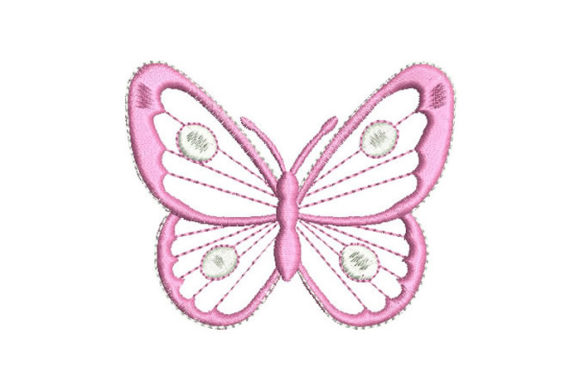
Pretty Butterfly: A Designer's Review for Boutique Sweatshirts
As an embroidery designer who spends countless hours digitizing and stitching for small brands, I know that choosing the right machine embroidery design can make or break a collection. Recently, I had the opportunity to test the Pretty Butterfly design ahead of a limited sweatshirt drop for a boutique client. This wasn't just a casual stitch-out; it was a critical evaluation to see if this asset could carry the weight of a premium apparel launch. The goal was simple: determine if this motif could elevate a basic garment into a coveted handmade product that resonates with modern consumers.
My first impression of Pretty Butterfly was one of delicate versatility. In the world of Bugs and nature-inspired motifs, there is often a fine line between childish clip-art and sophisticated artistry. This design leans heavily toward the latter. The layout suggests a thoughtful balance of detail and negative space, which is crucial when working with thicker fabrics. For a boutique brand aiming for a feminine yet grounded aesthetic, this design offers a "soft rustic" vibe. It feels decorative without being overwhelming, making it an ideal candidate for the current trend of cozy, oversized seasonal apparel.
Evaluating Fabric Compatibility and Texture
The true test of any embroidery file is how it interacts with different fabric textures. For this project, we simulated several scenarios relevant to Etsy sellers and apparel decorators. On neutral cream and oatmeal sweatshirts, the Pretty Butterfly popped with a warm, organic feel. The design seemed to embrace the fabric texture rather than fighting against it. When moved to dark charcoal or navy hoodies, the potential for high contrast became apparent. However, this is where a designer must be vigilant. Without knowing the specific thread colors pre-selected in the file, one must ensure there is enough saturation to prevent the design from getting lost in deep backgrounds.
We also tested the motif on pastel-colored fleece, a popular choice for spring collections. Here, the design felt incredibly playful and minimal. It didn't demand attention but rather invited a closer look, which is perfect for building buyer trust through subtle branding. The key takeaway for small shop product creators is that this design adapts well to color theory, provided you select thread palettes that harmonize with your base garment rather than clashing with it.
Placement Strategies for Hoodies and Sweatshirts
Placement is everything in sweatshirt embroidery. While many beginners default to the center chest, Pretty Butterfly shines in more creative locations. During our review, we explored placing a smaller version of the design on the sleeve cuff or near the hem of an oversized hoodie. This approach creates a "secret detail" that customers love, adding value to the finished product. For a bolder statement, scaling the design up for a full back placement transforms a simple garment into a statement piece suitable for commercial embroidery runs.
For those creating printable mockup previews for their online stores, this design offers excellent visual recognition. Its distinct silhouette reads clearly even in thumbnail images, which is vital for Etsy listings where scrolling speed is fast. Whether used as a chest accent on a zip-up or a large focal point on a crewneck, the motif maintains its integrity. It feels strong enough to serve as the primary branding element for a new clothing line, helping to establish a cohesive visual identity.
Technical Considerations for Production
From a technical standpoint, there are several factors every digital embroidery file user must consider before hitting start. Although the product description mentions multiple formats, it does not specify exact stitch counts or hoop requirements. As a professional, I strongly advise checking these details in your specific download folder before production begins. Understanding the hoop size limitation is critical, especially if you plan to stitch this on curved areas like sleeves where standard hoops might not fit easily.
Stitch density is another major concern when working with heavy sweatshirt material. If the density is too high, the fabric may pucker, ruining the smooth look of the butterfly wings. Conversely, if it is too low, the backing might show through. Based on the visual complexity of Pretty Butterfly, I recommend using a cut-away stabilizer rather than tear-away. This ensures longevity and prevents the design from shifting after repeated washes, a common complaint in custom apparel. Durability is non-negotiable for commercial embroidery; your customers expect their investment to last.
Small-size readability is also worth noting. If you intend to use this as a tiny logo on a pocket, ensure the finer details of the wing patterns do not merge into a solid blob. You may need to adjust the scale or simplify the thread count for very small applications. Always run a test stitch on a scrap piece of your actual garment fabric to verify that the design assets perform as expected under tension.
Enhancing Brand Value and Customer Engagement
Ultimately, the choice of design impacts more than just aesthetics; it influences perceived value. A well-executed Pretty Butterfly embroidery signals quality craftsmanship. For handmade business owners, this translates to higher price points and increased buyer confidence. Customers are increasingly looking for unique, personalized items that mass-market retailers cannot replicate. By utilizing a versatile design like this, you can create a sense of exclusivity around your boutique brand.
Furthermore, nature-themed designs like this foster an emotional connection. They evoke feelings of growth, transformation, and beauty, which can deepen customer engagement with your brand story. When photographed correctly for lifestyle marketing, the texture of the stitches against the soft fleece of a hoodie creates a tactile appeal that drives sales. It tells the customer that care was taken in the creation of their garment.
In conclusion, Pretty Butterfly is a robust contender for anyone in the Embroidery space looking to expand their apparel offerings. It bridges the gap between cute and sophisticated, making it suitable for a wide demographic. Whether you are decorating t-shirts, dresses, scarves, bags, or home decor as suggested, the potential is vast. Just remember to verify your technical specifications regarding thread colors and file formats to ensure a seamless production process. With the right preparation, this design can become a staple in your custom apparel lineup, driving both style and substance for your small business.