Polynesian Style Circular Print Review for Business
As an embroidery designer who has spent years translating brand visions into stitched reality, I approach every new machine embroidery design with a critical eye. It is not just about whether a pattern looks pretty on a screen; it is about how it performs under the needle, how it wears after fifty washes, and how it elevates a small business's identity. Today, I am reviewing the Polynesian Style Circular Print, a piece categorized under Shapes within the broader world of Embroidery. This design promises to add a delicate and fresh touch to garments, but does it hold up as a viable asset for commercial use? Let's dive into a practical assessment for shop owners, Etsy sellers, and apparel decorators.
First Impressions: Visual Personality and Brand Fit
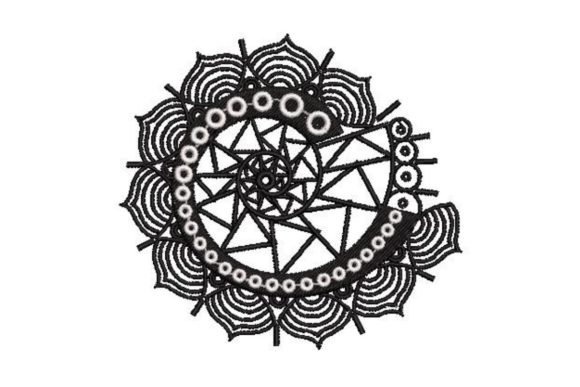
The moment you load the Polynesian Style Circular Print into your digitizing software or view the preview, the immediate impression is one of organic elegance. The circular format suggests unity and completeness, while the Polynesian influence brings a sense of heritage, flow, and artistic depth. Unlike bold, blocky logos often used for corporate uniforms, this design feels more handmade and boutique-oriented. It strikes a balance between decorative art and structured branding.
For a small business owner, this visual personality is crucial. If you run a floral studio, a beachside café, a yoga retreat, or a handmade jewelry brand, this design communicates a vibe that is both premium and welcoming. It lacks the harshness of industrial graphics, making it perfect for businesses that want to project warmth and creativity. However, for a construction firm or a high-tech startup, the delicate nature of this print might feel too soft unless used as a subtle accent rather than a primary logo.
Real-World Applications for Small Business Merch
The true test of any digital embroidery file is its versatility across different products. Based on the description of this design as adding a "fresh touch," here is how I see the Polynesian Style Circular Print performing in real commercial scenarios:
- Embroidered Patches: This is arguably the strongest use case. The circular shape is ideal for iron-on or sew-on patches. A bakery could use these on packaging bags, or a pet brand could attach them to collars and leashes. The intricate details of the Polynesian style would stand out beautifully against a twill or cotton patch background.
- Staff Uniforms and Aprons: For a boutique hotel or an artisan coffee shop, stitching this design onto the chest pocket of an apron embroidery project adds a level of sophistication. It turns a standard uniform into a statement piece that customers notice.
- Cap Embroidery: Circular designs can be tricky on curved surfaces, but if the scale is managed correctly, this works well on the front panel of a dad hat or a visor. It serves as a stylish alternative to a standard text-only logo.
- Tote Bag Design: Canvas tote bags are a staple for craft fairs and retail give-aways. Placing this print centrally on a tote creates an instant handmade product feel, increasing the perceived value of the bag itself.
- Sleeve Details: Instead of a large back print, consider using a smaller version of this design on the sleeve of a work shirt. It acts as a subtle brand marker that doesn't overwhelm the garment.
Technical Considerations and Production Challenges
While the aesthetic appeal is high, a professional reviewer must address the technical hurdles. The description notes that the design comes with multiple embroidery file formats, which is excellent for compatibility. However, specific production details like exact stitch count, precise hoop size requirements, and license terms are not explicitly detailed in the short description provided. Before committing to a large run of commercial embroidery, you must verify these specs with the vendor.
Here are the critical areas where caution is needed when using the Polynesian Style Circular Print:
- Stitch Density and Fabric Texture: Polynesian styles often involve flowing lines and filled areas. If the stitch density is too high, it can cause puckering, especially on lightweight fabrics like linen or thin cotton tees. Always test on the actual fabric you intend to use.
- Small Patch Sizes: If you plan to shrink this design for a small label or a tiny patch, the fine details may merge together. Intricate outlines can become muddy if the design is reduced below a certain threshold. Check the minimum recommended size before production.
- Thread Colors and Contrast: This design likely relies on specific thread colors to define its shapes. On dark uniforms, you may need to adjust the underlay or add a backing layer to ensure the colors pop. Testing in black and white first is a smart move to check contrast without the distraction of color.
- Curved Surfaces: As mentioned regarding caps, stitching a perfect circle on a curved brim requires careful hooping and potentially a specialized cap frame. Ensure your hoop size accommodates the design without distorting the circular shape.
- Stabilizer Selection: To maintain the integrity of the "delicate" lines, using the proper stabilizer is non-negotiable. Cut-away stabilizer is often safer for items that will undergo frequent washing, ensuring the design doesn't shift or degrade over time.
Impact on Brand Identity and Customer Trust
In the crowded marketplace of small business merch, consistency is key. Using a cohesive set of design assets helps build recognition. The Polynesian Style Circular Print offers a unique visual signature that can differentiate your brand from competitors using generic clipart. When a customer receives a tote bag or sees a staff member wearing an apron with this distinct, high-quality embroidery, it signals professionalism and attention to detail.
This perception directly influences brand identity and trust. A sloppy or poorly stitched logo suggests a lack of care, whereas a crisp, well-executed circular print implies that the business values quality. For Etsy sellers and crafters, this design can elevate a simple item into a collectible piece. It enhances the "unboxing" experience and encourages social media sharing, which drives buyer engagement. Furthermore, having a unique graphical element allows for better printable mockup creation, helping you visualize the finished product before spending money on thread and fabric.
Final Designer Notes and Recommendations
Before you integrate the Polynesian Style Circular Print into your product line, follow this checklist to ensure success:
- Verify Licensing: Confirm commercial licensing terms explicitly. Just because a file is available for purchase does not automatically grant rights for unlimited resale on physical goods.
- Create a Mockup: Generate a digital or physical mockup for client approval. Show them how the design looks on different colored fabrics.
- Test Run: Stitch a sample on scrap fabric identical to your final product. Inspect the spacing between elements and the cleanliness of the satin stitches.
- Compare Assets: Place this design beside your existing logo or other branding elements. Does it complement them, or does it clash?
- Check File Formats: Ensure the provided formats match your machine's requirements to avoid conversion errors that could ruin the design's integrity.
In conclusion, the Polynesian Style Circular Print is a promising asset for businesses seeking a blend of artistic flair and professional presentation. While it requires careful handling regarding scale and fabric choice, its potential to enhance custom apparel and branded merchandise is significant. With the right preparation and testing, this design can become a cornerstone of your visual identity, delivering a fresh, elegant touch that resonates with your customers.