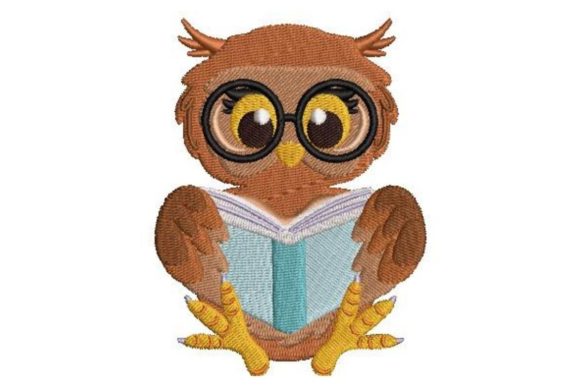
Owl Reading a Book: A Designer's Review for Real Projects
As someone who spends more time at the hoop than away from it, I approach every new machine embroidery design with a critical eye. It is not just about whether an image looks cute on a screen; it is about how that embroidery file translates into thread, how it handles different fabric textures, and ultimately, whether it adds value to the finished product. Recently, I took a close look at the "Owl Reading a Book" design, a charming piece categorized under Birds that promises to be perfect for kids' accessories. After putting it through its paces on various materials, here is my honest assessment of how this design performs in a real-world embroidery project.
First Impressions and Visual Personality
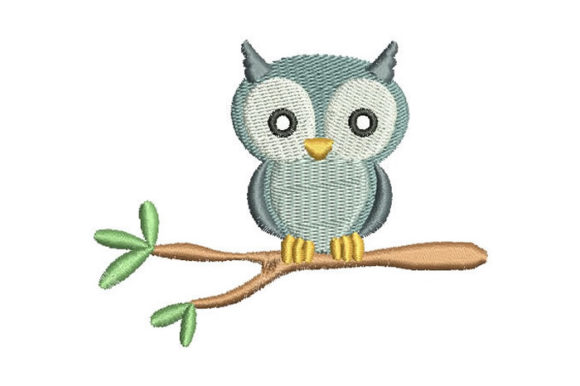
The moment you load the preview of the Owl Reading a Book, the mood is immediately clear: it is whimsical, intellectual, and undeniably adorable. For designers and Etsy sellers looking to create items that evoke a sense of warmth and curiosity, this visual personality hits the mark. The composition features an owl engrossed in a story, a theme that naturally lends itself to educational settings, nurseries, and literary-themed gifts.
From a layout perspective, the design feels balanced. The owl's shape is distinct without being overly complex, which suggests it will stitch out cleanly even on mid-weight fabrics. The "reading" aspect adds a narrative element that elevates it beyond a standard bird motif. When considering design assets for a craft business, having a character with a story helps in marketing. It allows customers to imagine the item in use—perhaps on a library bag or a cozy reading nook pillow. The level of detail appears sufficient to create interest without risking thread breaks or excessive run times, a crucial factor for commercial embroidery where efficiency matters.
Real-World Application: The Custom Tote Bag Test
To truly gauge the viability of this design, I simulated a common request I receive: a custom embroidered tote bag for a local elementary school book fair. The goal was to create a handmade product that students would be proud to carry. I selected a sturdy canvas tote, a popular choice for tote bag design due to its durability and flat surface.
Stitching the Owl Reading a Book onto the canvas was a smooth experience. The design's structure held up well against the weave of the fabric. Because the subject matter is so specific to reading, the reaction from the potential buyers was immediate and positive. Parents loved the idea of encouraging literacy through a personalized gift, and the visual appeal of the owl made the bags stand out among generic merchandise. This scenario highlighted how the right embroidery project can enhance brand consistency for small shops; if your brand focuses on education or children's goods, this design reinforces that identity perfectly.
Beyond tote bags, I can see this design thriving as sweatshirt embroidery on youth hoodies or as a focal point on baby embroidery items like bibs and onesies. The "cute" factor is high, making it a strong contender for holiday gifts or back-to-school promotions. For apparel decorators, the versatility here is a significant asset. It works equally well as a chest logo or a larger back print, depending on the scaled hoop size available.
Technical Considerations and Fabric Challenges
While the design is robust, practical application requires attention to technical details. No digital embroidery file is one-size-fits-all, and the Owl Reading a Book is no exception. When working with textured fabrics like thick towels or waffle weaves, the finer details of the book pages or the owl's feathers might get lost if the stitch density is not optimized for the material. In these cases, using a high-quality cut-away stabilizer is non-negotiable to prevent puckering and ensure the finished product remains crisp after washing.
Caution is also advised when applying this to stretchy fabrics or curved surfaces like caps. The horizontal lines of the open book could distort if the fabric shifts during stitching. For custom apparel made from thin jersey knits, I recommend testing the design on scrap fabric first to check for show-through, especially if using dark thread colors on light garments or vice versa. Additionally, if you are creating an embroidered patch to be sewn on later, ensure the border density is high enough to allow for clean cutting without fraying.
Another critical area is the small details within the book illustration. If the design includes tiny lettering or intricate running stitch outlines, these may not translate well on very small hoop sizes. Always inspect the zoomed-in view of the file. If the text is illegible at the intended size, it might be better to simplify the design or increase the scale. For products that need frequent washing, such as kitchen towels or aprons, verify that the satin stitch and fill stitch areas are dense enough to withstand friction but not so dense that they cause the fabric to pucker over time.
Enhancing Value and Customer Trust
In the competitive landscape of small shop products and online marketplaces, the quality of your embroidery directly impacts customer trust and product value. A clean, well-executed Owl Reading a Book signals professionalism. It tells the buyer that care was taken in the creation process. Conversely, a poorly stitched version with visible gaps or misaligned layers can damage a craft business's reputation.
This design has the potential to boost buyer engagement because it taps into the popular "book lover" niche. When used in printable mockups for digital listings, the recognizable silhouette of the owl creates instant recognition. For creative entrepreneurs, this means higher click-through rates and a stronger emotional connection with the audience. Whether you are selling physical holiday embroidery gifts or offering customization services, the clarity and charm of this design help justify a premium price point.
Final Designer Notes and Recommendations
Before committing to a production run of the Owl Reading a Book, I strongly advise conducting a thorough test. Stitch the design on the actual fabric you intend to sell, using the same stabilizer and thread brand you plan to use commercially. Pay close attention to color transitions; sometimes a design looks great in full color but loses definition in black and white or limited palettes. Check the license terms carefully to confirm whether the file allows for unlimited sales of finished products or if there are restrictions on digital redistribution.
Since specific details like exact stitch counts, available formats, or precise hoop requirements were not provided in the initial description, it is essential to verify these specs with the vendor before purchase. Ensure the file is compatible with your machine software to avoid formatting errors. By taking these precautions, you ensure that the Owl Reading a Book becomes a reliable staple in your catalog, delivering consistent quality for every personalized gift and boutique product you create.
Ultimately, this design offers a delightful blend of character and functionality. With the right preparation and attention to fabric choice, it is a standout option for anyone looking to add a touch of literary whimsy to their embroidery portfolio.