My 1st Fourth of July: A Pro Review for Business Merch
As an embroidery designer who spends most of my days digitizing logos and tweaking files for commercial clients, I approach every new machine embroidery design with a critical eye. It is not just about whether a pattern looks cute on a screen; it is about how that digital embroidery file translates into a tangible asset for a small business. Today, I am reviewing My 1st Fourth of July, a design positioned for children's celebratory outfits, to see if it holds up under the rigorous demands of branded merchandise, custom apparel, and professional product lines.
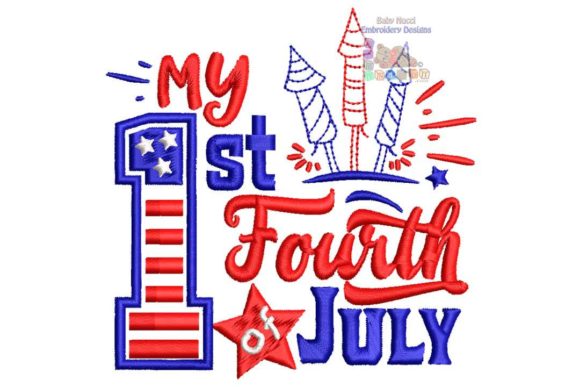
The first impression of My 1st Fourth of July is undeniably playful and friendly. The description notes that it is "fun and easy to stitch," which immediately signals a lower stitch density and a focus on clarity rather than intricate detail. For a boutique owner or an Etsy seller looking to create handmade product lines for the summer season, this aesthetic is gold. It feels approachable and nostalgic, perfectly capturing the spirit of Independence Day without being overly aggressive or militaristic. However, for business use, we need to dig deeper than the surface appeal.
Evaluating Commercial Viability and Brand Fit
When considering My 1st Fourth of July for small business merch, the context shifts from a child's birthday outfit to a tool for customer engagement. Imagine a local bakery or a family-oriented café wanting to release a limited-edition series of aprons or tote bags for the holiday weekend. This design could serve as a charming accent that humanizes the brand. It suggests a community-focused business that celebrates family milestones.
For apparel decorators, the versatility of this file is key. Because the design is described as "easy to stitch," it likely performs well on a variety of fabrics, from cotton tees to canvas tote bag design applications. If you are running a creative studio or a pet brand, adapting this motif for a bandana or a staff uniform can create a cohesive look for holiday events. The visual consistency it offers helps build brand identity; customers begin to associate your specific style of celebration with your business logo and values.
However, professionalism is paramount. While the design is playful, it must not look amateurish when scaled down for an embroidered patch or a chest logo. The clean lines implied by an "easy to stitch" rating are generally good for readability, but you must ensure the thread colors provide enough contrast against your specific uniform colors. A red, white, and blue palette is standard, but testing it on navy, black, or khaki backgrounds is essential before committing to a large production run.
Practical Application in Real-World Scenarios
Let us break down exactly where My 1st Fourth of July shines in a commercial setting. Here are several strategic uses for this embroidery file:
- Staff Uniforms and Aprons: Ideal for apron embroidery in bakeries or florist shops. Placing the design on the bib or the lower corner adds a festive touch without overwhelming the company logo.
- Cap Embroidery: This is a tricky area. If the design includes fine text or tight curves, it may pucker on the front panel of a structured cap. It is best suited for side-panel accents or unstructured dad hats where the fabric has more give.
- Customer Gifts and Add-ons: Use it as a value-add for purchases over a certain amount during the holiday week. A small patch sewn onto a shopping bag or a free sticker sheet featuring the embroidered look can boost buyer engagement.
- Event Merchandise: Perfect for pop-up shops or street fairs. Creating a run of t-shirts or tote bags specifically for a town parade can generate immediate revenue and local buzz.
- Printable Mockups: Before stitching a single thread, use this design in your printable mockup presentations. Show clients how their branded gear will look with this seasonal flair to upsell holiday packages.
Critical Considerations for Production Quality
While the potential is high, there are areas where caution is required. The description mentions the design comes with "multiple" options, likely referring to sizes or formats. This is crucial for commercial embroidery projects. You must verify the hoop size requirements for each version. If you intend to use this on a small embroidered patch (under 2 inches), you need to confirm that the smallest version of the file retains its integrity. Tiny lettering or thin outlines can disappear or merge if the stitch count is too low or the stitch density is not optimized for small scales.
Fabric texture also plays a massive role. On smooth broadcloth, this design will likely look crisp. However, on textured fabrics like Terry cloth towels or heavy canvas, the "easy" stitches might sink in or fail to cover the base material effectively. In these cases, using a proper stabilizer is non-negotiable. For dark uniforms, you may need to adjust the underlay settings or add a backing layer to prevent the garment color from showing through the lighter threads of the design.
Designer Notes for Best Results
To ensure My 1st Fourth of July elevates your brand rather than detracting from it, follow these practical steps before full-scale production:
- Test in Monochrome First: Stitch a sample in black thread only. This reveals the true structure of the design and highlights any spacing issues that color might hide.
- Check Small Scale Legibility: If using for patches or sleeve details, stitch the smallest available size. Ensure no elements merge together.
- Review Thread Contrast: Verify that the recommended thread chart works on your specific garment colors. You may need to manually adjust shades for better visibility.
- Inspect Spacing and Density: Look for gaps between satin columns or fill areas. High-quality design assets should have tight, even coverage.
- Confirm Hoop Size: Ensure the design fits your machine's hoop capabilities, especially if you are using multi-head machines with specific frame limitations.
- Create a Client Mockup: Always present a digital or physical sample to your client for approval. Explain how the design enhances their finished product.
- Verify Licensing: Since this is for business use, double-check the license terms included with the file. Ensure you have the right to use it for custom apparel intended for sale.
In conclusion, My 1st Fourth of July offers a delightful opportunity for small businesses to connect with their audience during the summer season. Its playful nature makes it an excellent candidate for handmade brands and local shops looking to add a personal touch to their inventory. However, its success relies on careful execution. By respecting the limitations of the embroidery file, choosing the right materials, and adhering to professional stitching standards, you can transform a simple digital pattern into a powerful tool for brand recognition and customer loyalty. Always remember to check the specific technical details provided with the download, as knowing your tools is the first step toward a profitable holiday season.