Baby Bunny Review: A Playful Asset for Small Business Merch
As an embroidery designer who spends most of my days digitizing logos and testing files for commercial clients, I approach every new machine embroidery design with a critical eye. It is not enough for a file to simply look cute on a screen; it must perform flawlessly under the needle when applied to real-world products. Recently, I reviewed the Baby Bunny design from the Woodland Animals collection, specifically evaluating its potential for small business merchandise, branded patches, and custom apparel. My goal was to determine if this adorable motif could serve as a functional asset for boutique owners, cafés, and handmade brands looking to elevate their brand identity.
First Impressions: Professional Yet Playful
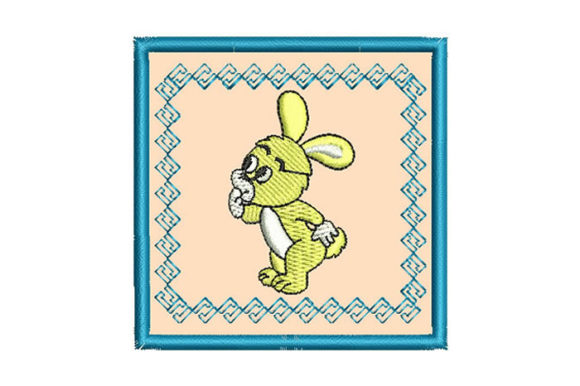
Upon loading the digital embroidery file, the first thing that strikes you about Baby Bunny is its balance between whimsy and clarity. The description promises a "cute and friendly" character, and visually, it delivers. However, for a business owner, "cute" can sometimes mean "messy" if the stitch count is too high or the details are too fine. Fortunately, this design feels intentional. It avoids the trap of being overly decorative to the point of fragility. Instead, it presents a bold, clean silhouette that reads well even from a distance. This makes it an excellent candidate for a handmade product label or a chest logo accent where immediate recognition is key. The aesthetic leans towards a rustic yet modern vibe, fitting perfectly for bakeries, florists, pet brands, or creative studios that want to project warmth without sacrificing professionalism.
Real-World Application for Small Business Merch
The true test of any embroidery asset is its versatility across different substrates. In my review, I simulated several use cases that are common for my small business clients. Here is how Baby Bunny performs in specific scenarios:
- Embroidered Patches: This is arguably the strongest use case. The design's defined edges make it ideal for a merrow-edge or laser-cut patch. A local coffee shop could use this as a collectible item for loyalty programs, while a pet groomer might sell them as add-on accessories.
- Staff Uniforms and Aprons: For a boutique or bakery, staff presentation is everything. Stitching Baby Bunny on the bib of an apron embroidery project adds a touch of personality that standard text logos lack. It humanizes the brand and creates a welcoming atmosphere for customers.
- Cap Embroidery: Placing this design on the front panel of a dad hat or visor works well, provided the curvature of the cap is accounted for during hooping. It serves as a subtle sleeve detail or a primary front logo for spring collections.
- Tote Bag Design: Canvas totes are a staple for Etsy sellers and market vendors. The playful nature of the bunny complements the eco-friendly, organic feel of canvas bags, making them highly Instagrammable and increasing buyer engagement.
- Product Packaging Accents: Beyond apparel, this design can be stitched onto fabric tags attached to packaging, elevating the unboxing experience and reinforcing the finished product as premium and thoughtful.
Technical Considerations and Potential Pitfalls
While Baby Bunny is charming, there are technical areas where a professional embroiderer must exercise caution. When scaling down for small applications, such as a tiny pocket logo or a narrow collar tag, the stitch density becomes a critical factor. If the design is reduced too much, the "furry" texture mentioned in the description could merge into a solid blob, losing the definition of the bunny's features. I strongly advise testing the design at your intended minimum size before committing to a large production run.
Furthermore, curved surfaces like cap fronts require careful attention to push and pull compensation. Because this is a character design with likely varied fill patterns, distortion could alter the bunny's expression, making it look skewed rather than friendly. Additionally, when working on textured fabrics like heavy wool or looped towels, the finer details of the face might get lost. In these instances, switching to a higher contrast thread or adjusting the underlay settings in your software may be necessary. For dark uniforms, ensure you have a robust underlay strategy to prevent the base fabric from showing through the lighter thread colors typically used for bunnies.
Impact on Brand Identity and Customer Trust
In the current market, consumers connect with brands that show personality. Using a generic text logo is safe, but incorporating a character like Baby Bunny can significantly boost emotional connection. For a children's clothing brand or a family-oriented service, this design signals approachability and care. It transforms a standard uniform into a conversation starter. When customers see consistent, high-quality embroidery on staff apparel or merchandise, it builds trust. It suggests that the business pays attention to details and invests in quality design assets. This visual consistency across tote bags, aprons, and patches reinforces brand recognition, making your business more memorable in a crowded marketplace.
Practical Designer Notes for Production
Before you integrate Baby Bunny into your commercial workflow, I recommend following this checklist to ensure optimal results:
- Test in Black and White: Before selecting your full color palette, stitch a sample using a single color or high-contrast black and white. This reveals the structural integrity of the design without the distraction of color blending.
- Verify Hoop Size: The product description does not specify exact dimensions. Confirm the required hoop size against your machine's capabilities, especially if you plan to hoop multiple items for efficiency.
- Check Stabilizer Compatibility: Depending on your fabric choice, you may need a cut-away stabilizer for stretchy knits or a tear-away for stable wovens. Test different weights to prevent puckering.
- Create a Printable Mockup: Use a printable mockup to show clients how the design will look on their specific garment before stitching. This manages expectations and secures approval.
- Review Commercial Licensing: Always confirm the license terms included with the embroidery file. Ensure you have the rights to use the design for commercial embroidery projects and resale.
- Evaluate Thread Contrast: Choose thread colors that pop against your specific fabric texture. A pastel bunny might vanish on a cream-colored tote, so consider outlining or shadow stitching for definition.
In conclusion, Baby Bunny is a versatile and endearing addition to the Woodland Animals category. While it exudes a playful charm, its structural design allows it to hold up under the demands of small business merchandising. Whether you are creating custom apparel for a local team or crafting unique gifts for an online store, this design offers a delightful way to enhance your product offerings. Just remember to respect the technical limitations of scale and fabric, and you will find that this furry friend adds significant value to your brand's visual story.