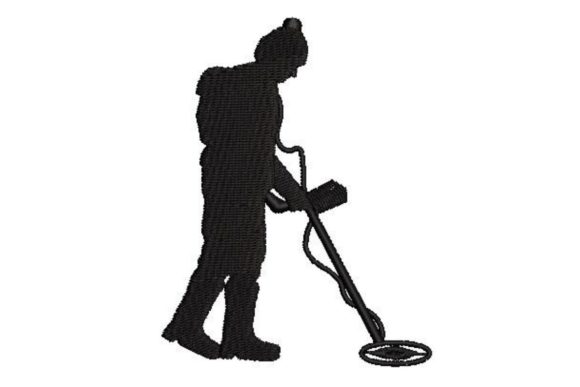
Silhouette of a Metal Detector: A Pro Review for Merch
As an embroidery designer who spends most of my days digitizing logos and testing files for small business clients, I approach every new machine embroidery design with a critical eye. It is not just about whether the image looks cute on a screen; it is about how that digital embroidery file translates to thread, fabric, and ultimately, brand value. Today, I am reviewing the Silhouette of a Metal Detector. Based on the product description, which highlights its suitability for personalizing projects within the Hobbies category, this design offers a unique opportunity for niche branding. Let's break down how this specific Embroidery asset performs in a real-world commercial setting.
First Impressions and Visual Personality
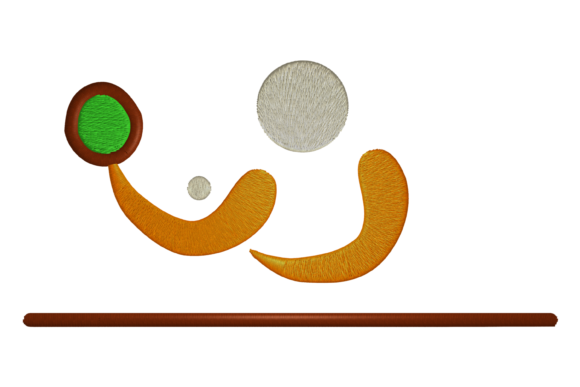
When I first loaded the preview of the Silhouette of a Metal Detector, the immediate impression was one of clean, recognizable simplicity. The term "silhouette" in embroidery usually promises a solid fill or a tight satin border, both of which are excellent for durability. The description mentions it is a "cute embroidery," suggesting a friendly and approachable aesthetic rather than a harsh, industrial look. This makes it incredibly versatile. It feels rustic yet modern, perfect for brands that want to convey a sense of discovery, outdoor adventure, or meticulous searching. For a small business owner, this visual personality is gold. It avoids being overly complex, which often leads to stitching errors, while maintaining enough detail to be instantly identifiable as a metal detector.
Real-World Business Applications
The true test of any embroidery file is its application across various merchandise. Here is how I see the Silhouette of a Metal Detector working for different business models:
- Embroidered Patches: This is arguably the strongest use case. A silhouette works beautifully as a PVC-style or cloth patch. Imagine a local treasure hunting club or an outdoor gear rental shop using this as their primary logo on a velcro-backed patch. The solid shape ensures the design remains legible even when scaled down.
- Staff Uniforms and Aprons: For a boutique that sells vintage finds or an antique store, stitching this design onto the chest pocket of a work shirt or the bib of an apron embroidery project adds a touch of thematic flair. It tells a story about the staff's expertise in "digging up" great deals.
- Cap Embroidery: The front of a baseball cap is a prime real estate for simple silhouettes. Because the design lacks intricate internal detailing, it should sit flat against the curved surface of a cap without puckering, provided the stitch density is managed correctly.
- Tote Bag Design: Canvas tote bags are a staple for craft fairs and Etsy sellers. Placing this design on a tote creates an instant conversation starter. It appeals to the hobbyist demographic directly, making the bag a piece of small business merch that markets itself.
- Customer Gifts and Event Merch: If you are running a workshop on metal detecting or a community cleanup event, this design serves as an excellent commemorative mark on t-shirts or drawstring bags.
Technical Considerations for Production
While the design appears robust, there are areas where a professional must exercise caution. When dealing with silhouettes, the edge definition is everything. If you are planning to use this on textured fabric like a heavy fleece or a rough canvas, you must ensure the outline stitches are dense enough to prevent the fabric from peeking through and breaking the shape. Conversely, on very smooth, high-thread-count polyesters, a high-density fill might cause the fabric to pucker.
Size matters immensely here. The description notes it is good for personalizing projects, but for commercial embroidery, you must verify the minimum viable size. If you attempt to stitch this as a tiny sleeve detail under one inch, the fine details of the detector's coil or handle might merge into a blob of thread. Always request a printable mockup at the actual intended size before committing to a production run. Additionally, consider the thread colors. While a single-color silhouette is classic, using a two-tone approach (perhaps a metallic gold thread for the coil and a matte black for the shaft) could elevate the perceived value of the finished product.
Another critical factor is the hoop size. Although the specific dimensions are not listed in the brief description, you must confirm that the design fits within your standard hoops, especially if you are stitching on pre-made items like structured caps or small pouches where hoop placement is restricted. Always use the appropriate stabilizer; for patches, a heavy cut-away is essential, while for apparel, a tear-away might suffice depending on the fabric weight.
Impact on Brand Identity and Trust
In the world of handmade brands and custom apparel, consistency builds trust. Using a distinct icon like the Silhouette of a Metal Detector helps cement your brand identity. It moves your business away from generic stock imagery and toward a curated, professional look. When a customer sees a cleanly stitched logo on an apron or a hat, it signals quality control. It suggests that the business owner cares about the details, which translates to higher perceived value for the products they sell. For Etsy sellers and crafters, having a unique set of design assets like this separates you from competitors who are using the same free clipart everyone else has.
Designer Notes for Successful Implementation
Before you integrate this into your product line, follow these practical steps to ensure success:
- Test in Black and White First: Strip away the color variables. Stitch the design in black thread on white fabric and vice versa. This reveals any gaps in coverage or spacing issues immediately.
- Check Small Patch Viability: Stitch a sample at the smallest size you intend to sell. If the definition is lost, do not use it at that scale.
- Review Thread Contrast: Ensure your chosen thread colors provide enough contrast against the garment color. A dark silhouette on a navy shirt might disappear.
- Inspect Spacing and Density: Look closely at the finished sample. Are the stitches too close, causing bulk? Are they too far apart, showing the backing?
- Create a Client Mockup: If you are doing this for a customer, present a digital or physical mockup alongside their other design assets to ensure visual harmony.
- Confirm Commercial Licensing: The description mentions the design comes with multiple formats, but always verify the license terms. Ensure you have the right to use this machine embroidery design for goods you intend to sell.
In conclusion, the Silhouette of a Metal Detector is a promising asset for niche markets. Its strength lies in its simplicity and thematic relevance. By paying attention to fabric texture, stitch density, and proper stabilization, you can transform this simple file into a premium element of your custom apparel or accessory line. Whether you are outfitting a team or creating a new product for your online shop, this design has the potential to become a signature mark of your brand.