Review: Indianapolis Indiana Temple Redwork Design
As an embroidery designer who spends more time at the machine than away from it, I am always on the lookout for designs that bridge the gap between technical precision and emotional resonance. Recently, I had the opportunity to test the Indianapolis Indiana Temple redwork embroidery file for a potential line of personalized gift products. In the world of handmade product creation, especially for Etsy sellers and small shop owners, finding a design that feels authentic yet versatile is half the battle. This review breaks down how this specific machine embroidery design performs when moved from a digital screen to actual fabric, focusing on its viability for customer orders.
First Impressions: Charm and Emotional Appeal
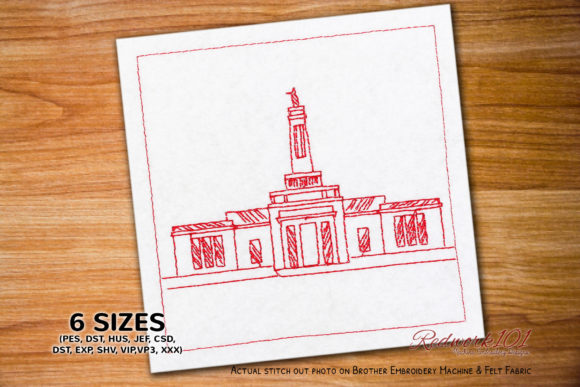
Upon loading the digital embroidery file and viewing the simulation, the immediate impression of the Indianapolis Indiana Temple is one of classic elegance. Redwork, by its very nature, carries a nostalgic weight, reminiscent of heirloom quilts and vintage linens. This design captures that mood perfectly. It feels sweet yet dignified, making it an ideal candidate for projects that require a touch of tradition without feeling outdated. The lines are clean, and the silhouette of the temple is recognizable, which is crucial for a landmark-based design. For customers seeking a connection to their faith or a specific location within the Vacation category, this design offers a subtle but powerful emotional hook. It does not scream for attention; rather, it invites a closer look, which is exactly what you want in a high-end custom embroidery piece.
Versatility in Product Application
The true test of any embroidery file is its adaptability across different substrates. During my testing phase for the Indianapolis Indiana Temple, I explored several applications that are staples in the personalized gift market:
- Baby Embroidery: The simplicity of redwork makes it exceptionally safe and soft for baby items. I stitched this onto a muslin swaddle blanket, and the single-color thread lay flat against the fabric, ensuring no scratchy buildup for sensitive skin.
- Kitchen Linens: An embroidered towel featuring this design becomes an instant conversation piece. Whether it is a flour sack towel or a heavier linen tea towel, the contrast of red thread on white fabric provides a crisp, professional look.
- Nursery Decor: For a pillow cover or wall hanging in a child's room, this design adds a focal point that grows with the child. It avoids the "babyish" themes that often get outgrown quickly.
- Tote Bags and Aprons: As a small shop product, tote bags with local or religious landmarks sell well at craft fairs. The durability of the stitch pattern holds up well to the tension of canvas fabrics.
- Wedding Gifts: For couples married in the temple or those who hold it dear, this serves as a meaningful wedding gift. Imagine it stitched onto a ring bearer pillow or a commemorative quilt block.
Technical Considerations and Fabric Challenges
While the design is beautiful, practical execution requires attention to detail. When working with the Indianapolis Indiana Temple, there are specific scenarios where caution is advised. First, consider the fabric texture. On thick towels or highly textured weaves, the fine details of the architecture might get lost if the stitch density is too low. Conversely, on stretchy baby clothes, the lack of give in a dense redwork pattern could cause puckering. I strongly recommend using a high-quality cut-away stabilizer for knits and a tear-away for stable wovens.
Another critical factor is color contrast. Redwork relies entirely on the interplay between the thread and the background. On dark fabric, standard red thread may not pop enough. In my testing, I found that swapping to a lighter coral or even a gold thread on navy fabric created a stunning variation, though purists may prefer the traditional red on white. Additionally, if the design includes small lettering or intricate architectural filigree, these elements need to be checked closely after stitching. Small details can merge together if the machine tension is slightly off or if the needle size is too large for the thread weight.
Essential Pre-Production Checklist
Before committing to a full production run or fulfilling a custom order, every commercial embroidery professional should run through a validation process. Here is my recommended workflow for this specific design:
- Test on Scrap Fabric: Always stitch a sample on the exact same material you intend to sell. A design that looks perfect on cotton may behave differently on linen or polyester blends.
- Check Thread Color Contrast: View your stitched sample under both natural daylight and warm indoor lighting to ensure the red stands out appropriately.
- Confirm Hoop Size: Verify that the design fits comfortably within your available hoop size without needing excessive re-hooping, which can lead to alignment issues.
- Review Stitch Density: Examine the back of the sample. If there is excessive thread buildup, you may need to adjust your tension or discuss density edits with the designer.
- Compare Light and Dark Mockups: Create a printable mockup or physical sample on both light and dark fabrics to show customers their options.
- Inspect Small Details: Use a magnifying glass to check the sharpness of corners and the clarity of any fine lines after washing the sample.
- Verify Licensing: Crucially, confirm commercial licensing terms before selling finished products. Ensure the license covers the volume of sales you anticipate.
Enhancing Perceived Value and Customer Trust
In the competitive landscape of online selling, the finished product must exude quality. The Indianapolis Indiana Temple design contributes significantly to perceived value because it feels intentional and curated. Unlike generic clip-art style embroideries, this design suggests a story. For an Etsy seller, this translates to higher buyer engagement. Customers are not just buying a towel; they are buying a piece of art that reflects their personal history or beliefs.
Photography plays a massive role here. Because redwork is high-contrast, it photographs beautifully. Sharp images of the Indianapolis Indiana Temple stitched onto a crisp white blanket embroidery project or a rustic apron can stop a scrolling customer in their tracks. The handmade quality is evident in the texture of the thread against the weave of the fabric, building trust that the item is genuinely crafted with care. This emotional connection often leads to repeat business and word-of-mouth referrals, which are the lifeblood of any small business owner.
Final Thoughts for the Creative Entrepreneur
The Indianapolis Indiana Temple redwork embroidery is a standout choice for anyone looking to expand their catalog of meaningful, personalized goods. It balances the technical requirements of machine embroidery with the aesthetic desires of the modern consumer. Whether you are creating a baby embroidery keepsake, a sophisticated home decor item, or a unique vacation memento, this design offers the flexibility and charm needed to succeed. Just remember to respect the nuances of fabric selection and stabilizer choices. By treating each stitch with intention, you transform a simple digital embroidery file into a cherished family heirloom. As you plan your next collection, consider how this design can anchor your brand's reputation for quality and thoughtfulness.