Poinsettia Corner FSL: A Festive Review for Makers
When I first opened the folder containing the Poinsettia Corner FSL, my immediate reaction was one of quiet appreciation. In the world of machine embroidery, corner designs are often an afterthought—generic flourishes that feel tacked on rather than integrated. However, this design carries a specific mood: it is delicate yet festive, capturing the essence of the holiday season without screaming for attention. As a designer who spends hours tweaking stitch paths and selecting threads for client projects, I look for files that offer both aesthetic charm and technical reliability. This review breaks down how this specific embroidery file performs in real-world scenarios, from boutique home decor to custom apparel.
First Impressions and Visual Personality
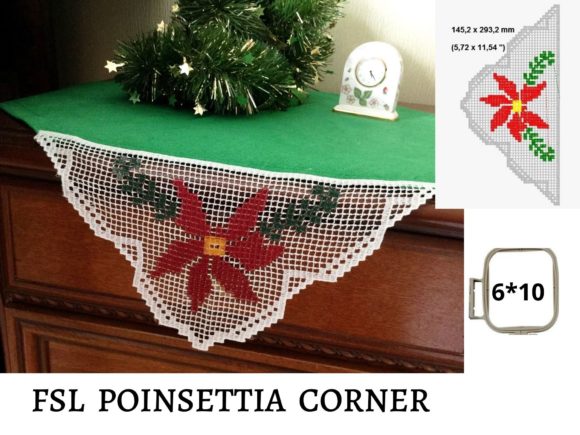
The layout of the Poinsettia Corner FSL is its strongest asset. Unlike full-center motifs that dominate a fabric surface, a corner design requires a subtle balance. It needs to frame the space without overwhelming it. The shape here feels organic, mimicking the natural sprawl of a poinsettia leaf and bloom as it might drape over the edge of a tablecloth or napkin. The visual personality is elegant; it avoids the chunky, overly dense look that can make small holiday designs appear muddy after stitching.
For those of us creating handmade products, the "feel" of the design matters just as much as the look. Free Standing Lace (FSL) inherently adds texture and dimension. When stitched out correctly, this design creates a lovely, airy effect that catches the light. It suggests a level of craftsmanship that elevates a simple piece of linen into a heirloom-quality item. Whether you are an Etsy seller looking to differentiate your shop or a hobbyist making gifts, this kind of visual nuance builds immediate perceived value.
Real-World Application: The Holiday Linen Project
To truly test the viability of this machine embroidery design, I envisioned a specific project: a set of custom Christmas dinner napkins for a client who runs a small boutique hotel. The goal was to add a touch of seasonal warmth without committing to a permanent theme that would look out of place in January. The Poinsettia Corner FSL fit this brief perfectly.
In this scenario, the design was placed on high-quality cotton blend napkins. Because it is a corner motif, it allowed the center of the napkin to remain clear for folding or stacking, while still providing that crucial decorative accent. The result was sophisticated. Guests noticed the detail, commenting on the "finished" look of the table setting. For an embroidery project like this, the design succeeds because it enhances the product rather than consuming it. It works equally well on tea towels, doilies, or even the corner of a pillow cover where a full central image might feel too heavy.
Versatility Beyond the Table
While linens are the obvious choice, do not limit this digital embroidery file to kitchenware. I can see this working beautifully as a tote bag design, placed subtly in the lower corner of a canvas shopper. It adds a whisper of holiday spirit to everyday carryalls. For custom apparel, imagine this stitched onto the hem of a white linen tunic or the cuff of a sweatshirt. It offers a more refined alternative to the large, graphic chest prints common in sweatshirt embroidery.
For makers focusing on baby embroidery, this could be adapted for a christening gown or a special holiday blanket, provided the scale is appropriate for the smaller garment. The key is recognizing that corner designs allow for asymmetry, which is currently very trendy in modern craft business merchandise. It feels less like a uniform and more like a curated fashion statement.
Technical Considerations and Fabric Pairing
Working with FSL requires a shift in mindset compared to standard fill or satin stitch applications. Since the design essentially creates its own fabric through interlocking stitches, the choice of stabilizer during the hooping process is critical. You must use a water-soluble stabilizer that washes away cleanly, leaving only the thread structure behind. If you are new to FSL, I strongly advise testing the Poinsettia Corner FSL on scrap fabric first. Check how the stitch density holds up once the backing is removed. Too loose, and the lace will sag; too dense, and it may become stiff and cardboard-like.
Fabric texture plays a massive role in the final outcome. On smooth, tight-weave fabrics like quilting cotton or polished linen, the details of the petals and leaves will pop with clarity. However, on textured fabrics like terrycloth or heavy wool blends, the fine edges of the lace might get lost. If you plan to use this on dark fabric, ensure your thread colors have enough contrast. A red poinsettia on navy blue looks classic, but a deep burgundy on black might vanish unless you incorporate metallic or lighter outlining threads.
Be cautious with stretchy fabrics. While FSL is durable, attaching a rigid lace corner to a highly elastic material like jersey knit can cause puckering over time, especially after frequent washing. For caps or curved surfaces, the flat nature of a corner design can be tricky to position without distortion. It is best suited for flat or slightly structured items like aprons, tote bags, and pillow covers.
Commercial Viability and Brand Consistency
For commercial embroidery professionals and small shop product creators, consistency is king. The Poinsettia Corner FSL offers a reliable element that can be repeated across a product line. Imagine a collection featuring matching oven mitts, aprons, and table runners; using the same corner motif ties the finished product range together, reinforcing brand recognition. Customers trust cohesive collections, and this design facilitates that easily.
Furthermore, the "giftability" factor is high. Items featuring this design feel personal and thoughtful, perfect for personalized gifts. When photographing these items for printable mockups or online listings, the intricate lacework photographs exceptionally well, adding depth to digital images that flat prints cannot achieve. This visual appeal directly influences buyer engagement and can justify a higher price point for your design assets or finished goods.
Final Designer Notes
Before committing to a production run, always verify the specifics of the embroidery file. The product description mentions multiple formats, which is excellent for compatibility, but you should confirm the exact hoop size required to ensure it fits your machine's capabilities. Check the license terms carefully; while many designs allow for selling finished physical items, restrictions often apply to reselling the digital file itself or using it in mass-manufactured goods.
Inspect the small details in a test stitch-out. Look for any jump stitches that might need trimming and ensure the connecting bars in the lace are robust enough to withstand handling. If you are creating an embroidered patch version of this design, you may need to add a merrowed edge or a heat-seal backing, as FSL is naturally fragile at the very edges.
In conclusion, the Poinsettia Corner FSL is a versatile, high-quality addition to any designer's library. It bridges the gap between traditional holiday motifs and modern, minimalist aesthetics. Whether you are decorating a home, launching a seasonal Etsy collection, or crafting a special gift, this design delivers professional results with a touch of festive elegance. Just remember to respect the technical requirements of lace embroidery, and you will find this file to be a dependable workhorse for your creative endeavors.