Paper Airplane: A Playful Stitch for Holiday Collections
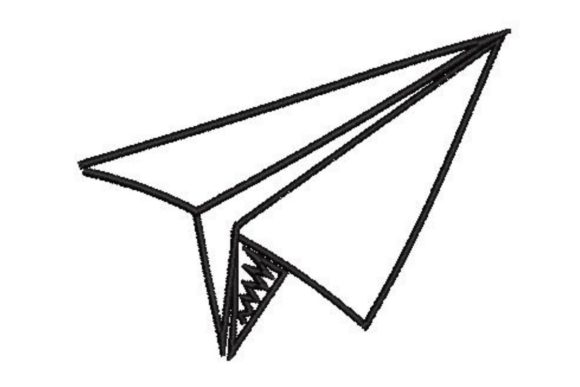
As an experienced embroidery designer preparing my shop for the upcoming holiday rush, I am constantly scanning for designs that bridge the gap between whimsical charm and practical application. When I first loaded the Paper Airplane machine embroidery design onto my screen, the immediate impression was one of nostalgic playfulness. There is something inherently heartwarming about the simple geometry of a folded paper plane; it evokes memories of childhood classrooms and backyard adventures. For a seasonal collection, this emotional resonance is gold. It doesn't scream "Christmas" in the traditional red-and-green sense, but it fits perfectly into the broader category of seasonal embroidery focused on family, gifting, and cozy winter days spent indoors.
Evaluating the Design for Seasonal Product Lines
The aesthetic of the Paper Airplane is undeniably cute, making it a versatile candidate for various product categories beyond just standard apparel. In the context of Toys and children's accessories, this design shines. Imagine a line of personalized backpacks or lunch bags for kids returning to school after the winter break, or perhaps plush toys adorned with this motif. The clean lines suggest a modern yet rustic feel, depending entirely on the thread choices. If I were to stitch this using variegated blue threads on a cream canvas tote, it would feel fresh and airy. Conversely, using deep navy and gold metallic threads on a velvet pillow cover could elevate it to a premium, festive decor item suitable for a child's bedroom or a nursery.
For Etsy sellers and handmade gift makers, the versatility of this digital embroidery file is a major selling point. The description notes that it comes with multiple embroidery file formats, which is crucial for accommodating different machine brands and hoop sizes. This flexibility allows me to plan a diverse product drop. I can visualize this design on heavy-weight sweatshirts for matching family pajama sets, a popular trend during the holidays. It also works beautifully as a kitchen towel embroidery project; a set of flour sack towels featuring airplanes could be marketed as a thoughtful housewarming handmade gift for new parents or aviation enthusiasts.
Strategic Placement and Real-World Selling Scenarios
When planning my holiday inventory, I look at how a design performs in real selling situations. The Paper Airplane has strong visual recognition. In a crowded craft fair display or a scrolling social media feed, the silhouette is instantly recognizable. This aids in creating effective printable mockup graphics for online listings. A well-rendered mockup showing this design on a cozy sweatshirt embroidery sample can drive clicks and conversions. Furthermore, because the theme is universal, it appeals to a wide demographic, from young boys who love vehicles to grandparents looking for a sentimental personalized gift.
I am particularly interested in using this for limited-edition apparel drops. By pairing the airplane with seasonal text—perhaps "Ready for Takeoff 2024" or "Little Pilot"—I can create urgency and exclusivity. The design also translates well to embroidered patch production. Patches are low-cost, high-margin items that sell well as add-ons during the checkout process. A customer buying a holiday onesie might easily be convinced to add a matching patch for a denim jacket or a beanies.
Technical Considerations for Production
While the artistic potential is high, a professional review must address the technical execution. Before committing to a large production run, there are several factors to test. First, stitch density is critical. If the design is too dense, it may become stiff, which is undesirable for baby items or garments that need to drape softly. I would recommend stitching a test sample on the intended fabric to ensure the finished product remains soft and comfortable against the skin.
Fabric texture plays a significant role in how the Paper Airplane appears. On thick towels or fleece, the stitches might sink in, requiring a stronger cut-away stabilizer to prevent distortion. Conversely, on stretchy garments like leggings or fitted tees, the stability of the hoop and the type of stabilizer used will determine if the design puckers after washing. Since the product description mentions it is suitable for decorating toys and accessories, one must be cautious with curved surfaces like caps. Small details in the wing folds might get lost or distort if the fabric curvature is too aggressive.
Thread color selection is another area requiring careful attention. While the default colors in the embroidery file provide a good starting point, customizing the palette is essential for seasonal appeal. For a winter holiday vibe, swapping standard blues for icy silvers or snowy whites could create a stunning effect on dark navy fabrics. However, when using metallic threads, one must monitor the tension closely to avoid thread breaks, especially if the design features tight turns or small details.
Maximizing Buyer Emotion and Brand Consistency
Incorporating the Paper Airplane into a seasonal collection does more than just add a new SKU; it enhances the overall brand narrative. It signals to customers that the shop offers thoughtful, story-driven products. During the holiday shopping period, buyers are looking for items that evoke emotion and connection. A design that reminds them of innocent childhood fun taps directly into that sentiment. This emotional connection can increase the perceived value of the item, allowing for a higher price point compared to generic designs.
Consistency is key for building customer trust. If my brand focuses on high-quality, durable goods, I must ensure that every instance of this design, whether on a pillow cover or a tote bag, meets strict quality standards. This means checking the back of the embroidery for loose threads and ensuring the edges are clean. For commercial embroidery purposes, it is vital to confirm the licensing terms provided with the file. Since the description states it includes multiple files but does not specify exact stitch counts or explicit commercial license limitations, I advise all small business owners to review the accompanying documentation carefully before selling finished goods.
- Test extensively: Always stitch a sample on both light and dark fabrics to check contrast and coverage.
- Verify specifications: Confirm the exact hoop size required for each file version included in the download.
- Optimize stabilization: Match the stabilizer type to the fabric weight to ensure longevity through repeated washing.
- Review details: Inspect small elements like the nose or wing tips after stitching to ensure they are crisp and defined.
- Plan palettes: Develop specific thread color charts for different seasonal themes (e.g., pastels for spring, jewel tones for winter).
Ultimately, the Paper Airplane is a strong contender for any designer looking to expand their small shop product lineup with something charming and versatile. Its ability to adapt to various materials—from sturdy canvas to soft knits—makes it a reliable workhorse for the holiday season. By paying attention to the technical nuances of stitch density and fabric compatibility, creators can transform this simple digital file into a standout physical product that delights customers and drives sales. Whether used for a last-minute personalized gift or a flagship item in a new collection, this design proves that sometimes the simplest ideas take flight the highest.