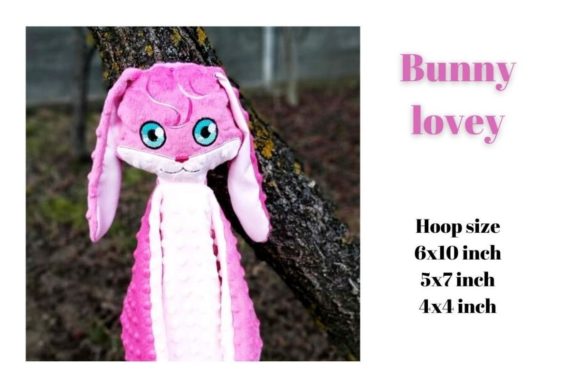
Bunny Lovey: A Craft Fair Designer's Review
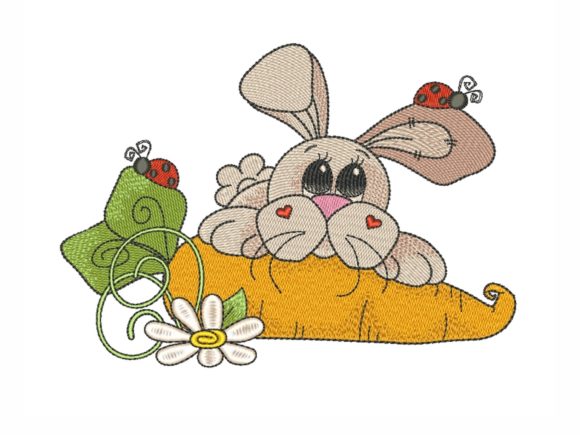
As an embroidery designer preparing for the upcoming spring market season, my table strategy relies heavily on selecting designs that stop customers in their tracks. This year, I am evaluating Bunny Lovey, a new digital embroidery file intended for Easter-themed collections. The product description promises an adorable bunny with playful features, positioning it as a delightful gift for kids. However, moving from a digital preview to a physical craft fair product requires a critical eye. Does this design hold up under the scrutiny of a busy booth display? Can it translate effectively across various textiles? Here is my professional assessment of how Bunny Lovey performs in a real-world handmade business environment.
First Impressions and Market Appeal
Upon loading the machine embroidery design into my software, the immediate vibe is undeniably cute and festive. The description highlights "playful features," which usually translates to expressive eyes, dynamic poses, or whimsical details that appeal to parents and grandparents. For an Etsy seller or boutique maker, this emotional connection is vital. In a crowded marketplace, buyers often make split-second decisions based on visual charm. Bunny Lovey feels soft and approachable, fitting perfectly into the modern farmhouse or rustic-chic aesthetic that dominates spring decor. It lacks the sharp, aggressive lines of high-fashion streetwear, leaning instead toward warmth and nostalgia. This makes it an ideal candidate for small shop products aimed at families looking for personalized keepsakes rather than generic big-box store items.
Versatility Across Product Lines
The true test of any digital embroidery file is its adaptability. A design that only looks good on one fabric type is a liability for a vendor trying to maximize inventory. I envision Bunny Lovey shining on several key items for my booth:
- Tote Bag Design: Placed centrally on a canvas tote, the playful nature of the bunny invites interaction. It works well as a focal point for grocery bags or library totes.
- Apron Embroidery: For kitchen enthusiasts, this design adds a touch of seasonal fun to a utility item. It sells the idea of "baking with love" during the holidays.
- Tea Towel Embroidery: Linen or cotton waffle towels are staples at craft fairs. The design needs to be crisp enough to stand out against the texture of the fabric.
- Embroidered Patch: If the file allows for a clean border, turning this into an iron-on or sew-on patch creates a low-cost entry point for customers who want the look without buying a whole garment.
- Pillow Covers: As home decor, a Bunny Lovey pillow cover serves as an affordable way for customers to update their living room for the season.
When considering commercial embroidery applications, the design must also photograph well for online listings. A printable mockup is useful for initial planning, but nothing replaces a photo of the actual stitched item. The playful features mentioned in the description should pop in photos, driving clicks and engagement for digital sellers offering the file itself.
Production Practicality and Batch Efficiency
For a weekend warrior or a full-time production house, time is money. The question is: is Bunny Lovey repeatable? A design with excessive stitch density can cause registration issues or take too long to run, eating into profit margins. Conversely, a design that is too sparse may look cheap on thicker materials. Based on the "adorable" descriptor, I anticipate moderate density, likely utilizing satin stitches for outlines and fill stitches for the body. This balance generally allows for reasonable run times while maintaining a premium feel.
However, size matters. If the design is intended as a small accent on a cap or a pouch, the "playful features" must remain distinct. Tiny details often merge together when scaled down, turning a cute face into a blurry mess. For finished product consistency, I recommend running the design at multiple sizes on scrap fabric before committing to a full batch. This ensures that whether it is on a large market bag or a small coin purse, the integrity of the bunny remains intact.
Critical Considerations for Execution
To ensure the highest quality handmade product, several technical factors must be addressed before hooping the first item:
- Fabric Texture: Textured towels can swallow small stitches. Ensure the thread colors contrast sufficiently with the base fabric so the design does not get lost in the weave.
- Curved Surfaces: If applying this to caps, remember that the curved surface distorts perspective. The design may need slight adjustments or a specific placement strategy to look correct when worn.
- Dark Fabric: Light-colored bunnies on dark navy or black fabrics require careful underlay management to prevent the background from showing through the fill stitches.
- Stabilizer Selection: The choice of stabilizer is crucial. A cut-away might be necessary for stretchy fabrics like t-shirts to prevent puckering over time, while tear-away could suffice for stable woven linens.
- Hoop Size: Confirm the required hoop size against your machine's capabilities. If the design is large, you may need a jumbo hoop, which limits the types of garments you can easily embroider.
It is also imperative to verify the licensing terms. The description encourages users to "turn your creative talent," implying commercial use is permitted, but always double-check the specific license included with the design assets. Selling finished goods requires different permissions than selling the digitized file itself.
Maximizing Visual Impact and Sales
In the context of a craft fair booth, Bunny Lovey has the potential to be a strong driver of foot traffic. Its inherent cuteness appeals to a broad demographic, from young children to nostalgic adults. To leverage this, I would group items featuring this design together to create a cohesive "Bunny Collection." This brand consistency helps customers visualize the design across different applications, increasing the average transaction value.
Customer attention is often captured by color and texture. Using vibrant thread colors that mimic spring pastels can enhance the festive mood. Furthermore, displaying the design on high-quality blanks elevates the perceived value. A Bunny Lovey design on a premium linen apron commands a higher price point than the same design on a thin polyester blend. The tactile experience of touching a well-executed embroidery reinforces the "handmade quality" that shoppers seek at local markets.
Ultimately, Bunny Lovey appears to be a versatile and commercially viable asset for the spring season. Its playful character aligns perfectly with the emotional purchasing drivers of Easter shoppers. By paying close attention to production details—such as testing on scraps, managing stitch density, and selecting appropriate stabilizers—embroidery business owners can transform this digital file into a best-selling physical product. Whether used for a single custom gift or a full line of inventory, this design offers the charm and flexibility needed to succeed in today's competitive handmade marketplace.